

AA 15676-01-14 Kargad Construction and Investments Ltd. v. Director of VAT Gush Dan
The Tel Aviv District Court held on 16.11.2016 that the sale of a building in which most apartments are leased under protected tenancy is exempt from VAT under Section 31(2) of the Value Added Tax Law, even where the building carries unused building rights. The exemption applies proportionally to the ratio between the area of the protected apartments and the total area of the building. Adv. Shlomi Vaknin represented Kargad in the appeal.
Court: Tel Aviv-Jaffa District Court, Judge Harry Kירש (Kirsh).
Proceeding: AA 15676-01-14, judgment dated 16.11.2016.
Counsel for the Appellant: Adv. Shlomi Vaknin.
Tax in Dispute: NIS 347,445 (principal).
Outcome: The appeal was partially allowed, largely in the company's favor: the exemption applies to the portion of the building under protected tenancy. However, the court held that the sale constitutes a transaction, and the sixth apartment and the storage unit were subject to VAT. No costs order was made.
Full Judgment: On Judgments.org.il.
Get an Initial Legal Consultation
Leave your details and one of our attorneys will get back to you today.
What Were the Facts?
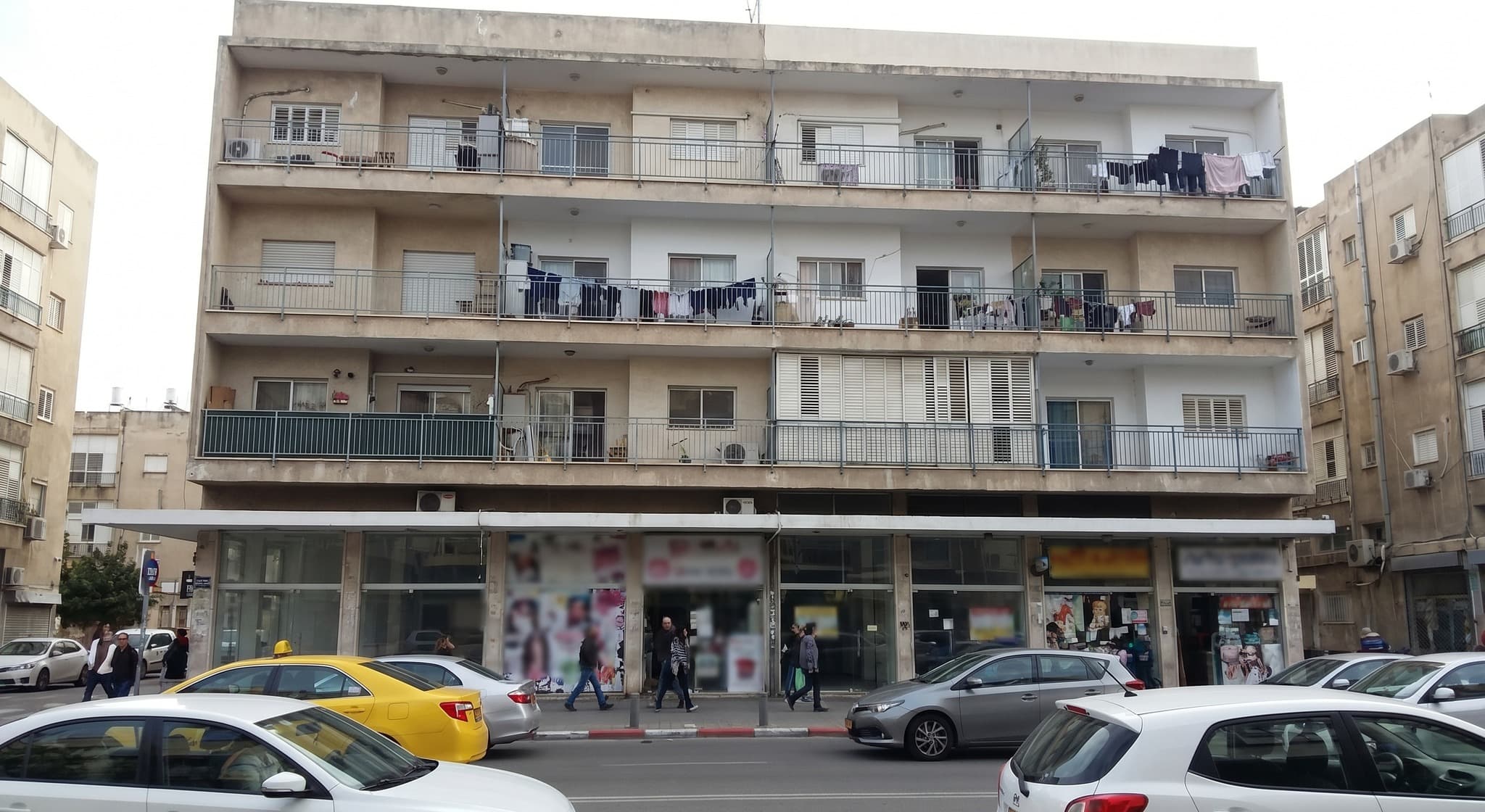
Kargad was incorporated in 1994 and registered as a dealer in the building-contracting sector. In January 2007, together with another company, it purchased a building in Ramat Gan containing six apartments and a storage unit for approximately NIS 1.36 million. Five of the apartments were leased to protected tenants under the Tenant Protection Law [Consolidated Version], 5732-1972. The plan was to demolish the building and construct a new one in its place, but in May 2009 the Ramat Gan Municipality designated the building for preservation. In August 2009 the building was sold to a group of 21 purchasers for NIS 4.35 million.
The Gush Dan VAT Director assessed the sale as taxable. In his view, most of the consideration was paid for the unused building rights, and those rights do not constitute "leased real property" under protected tenancy; therefore, the exemption does not apply to them.
What Did the Court Hold?
Was the Sale a Transaction?
Yes. The VAT Director attempted to characterize the sale as twenty-one separate transactions in order to demonstrate high frequency, but the court rejected this since a single sale agreement was signed. Nevertheless, considering the totality of the circumstances, the venture constituted a business rather than a passive investment, and the sale was made in the course of that business.
Do the Building Rights Negate the Exemption?
No. The parties sold the building as a whole and did not separately price the building rights. According to the court, the language of Section 31(2) provides no basis for denying the exemption on account of building rights, at least where the protected tenancy may frustrate their utilization. The court further noted that all building rights already existed on the date of acquisition, and that the Respondent did not independently appraise their value: he treated the difference between the adjusted acquisition cost and the sale price — NIS 2,573,559 — as the value of the rights.
To Which Part of the Building Does the Exemption Apply?
To the five protected apartments. One apartment was not leased under protected tenancy, and the building also contained a storage unit; accordingly, the court directed the VAT Director to calculate the exemption based on the ratio between the area of the five apartments and the total area of the building. The alternative claim for an exemption under Section 31(4) — which applies to the sale of property for which input tax could not be deducted upon acquisition — was rejected with respect to the additional apartment. The court accepted the Respondent's position that at the time of purchase the intended long-term use was examined — demolition, construction, and sale — and under such use, input tax deduction would have been permitted.
What Does This Mean for Sellers of Protected-Tenancy Properties?
The judgment is relevant to companies and real-estate dealers selling an older building with protected tenants. Before the sale, it is advisable to examine:
Which units are actually leased under protected tenancy and which are not. The exemption under Section 31(2) was calculated in this case on an area basis.
How the Israel Tax Authority calculates the value it attributes to the building rights. In the Kargad case, the calculation did not withstand judicial scrutiny.
What the intention was at the time of acquisition. A purchase for the purpose of demolition and construction may allow input tax deduction, but then the exemption under Section 31(4) will not apply upon sale.
A District Court judgment is not binding on other courts, but it illustrates how the court examines the argument. For planning such a transaction, see Taxation of Complex Real-Estate Transactions. Where an assessment has already been issued, the process proceeds through Objection to a VAT Assessment. On the exemption under Section 31(4) in a mixed-use building, see also The IPF Judgment. The VAT exemptions on the sale of real property, including Section 31(2), are compiled on the page VAT in Real-Estate Transactions and Urban Renewal.