

In customs cases the first deadline starts on the date of seizure or the date of payment, so it is best to send us the Customs notice and the import declaration as early as possible. Phone: 03-7705682.
What Does a Customs Lawyer Do?
A customs lawyer represents importers and exporters in disputes with Customs: detained or seized goods, duty demands on past imports, classification or valuation rejected by Customs, and trade-agreement exemptions that have been denied. The deadlines in these disputes are short. Anyone who paid customs duty "under protest" in order to release goods must file a claim for a refund within 3 months of the date of payment (Section 154 of the Customs Ordinance).
This area is handled by Adv. Udi Assa, who worked from 2011 to 2022 in the Legal Department of the Customs and VAT Division at the Israel Tax Authority headquarters. Send us the Customs notice and the import declaration, or call 03-7705682.
Get an Initial Legal Consultation
Leave your details and one of our attorneys will get back to you today.
When Should You Contact a Customs Lawyer?
When Customs has already acted — or is about to act — against a shipment or an importer. These are typical situations:
Your container has been detained at the port for a valuation review, and Customs is demanding proof of the price you paid the supplier.
You received a duty demand (deficiency) on imports from prior years, after Customs changed the tariff heading or the value of the goods.
Customs is holding a new shipment until you pay a debt on a previous shipment.
You received a seizure notice on suspicion of a false declaration or trademark counterfeiting.
Your customs exemption under a trade agreement was denied because the certificate of origin was not verified in the country of export.
You exported goods that were previously imported, or products manufactured from imported raw materials, and you want to recover the customs duty that was paid.
You have been summoned for a Customs investigation, or you were offered a monetary settlement (kofer) to close the matter.
Areas of Practice in Customs, Import and Export
In the customs field we handle five main areas, each with a dedicated page.
Goods Classification and Valuation
The classification under the Customs Tariff and Exemptions Order and Purchase Tax on Goods, 5777-2017 determines the customs duty rate and the purchase tax rate, as well as which licenses and standards are required for import. Valuation is determined under Sections 130 through 133 of the Customs Ordinance. The primary method is transaction value: the price paid or payable to the supplier, plus the costs and amounts specified in Section 133. Only when transaction value cannot be established does one proceed to the alternative methods, in the order prescribed by law. Details on the page Goods Classification and Customs Valuation.
Release of Seized Goods
Seized goods are deemed forfeited if their owner does not notify Customs in writing, within one month of the date of seizure, that he claims them (Section 190 of the Ordinance). For certain categories of goods the Director may shorten the deadline to 7 days. Customs may release the seized goods to their owner in exchange for a bond for their value (Section 191), and may require the owner to file a claim for the return of the seized goods within two months (Section 192). Details on the page Release of Seized Goods.
Drawback and Exemptions
A drawback is a refund of customs duty paid on import. Goods that were imported (other than bulk goods) and exported within 6 months of the date they left Customs control, without having been used in Israel, qualify for a full drawback of the duty under Section 156 of the Ordinance. Use that merely revealed a defect in the goods does not impair the entitlement, and the Director may extend the period up to 3 years. Section 160 deals with drawback on goods that underwent a manufacturing process, for example raw materials that were turned into an exported product. Details on the page Drawback Claims and Customs Exemptions.
Purchase Tax and Excise
Purchase tax is levied under the Purchase Tax Law (Goods and Services), 5712-1952, on the import and domestic manufacture of goods specified in the Order, including alcoholic beverages, tobacco, motor vehicles and vehicle parts. Fuel produced in Israel is subject to the Fuel Excise Tax Law, 5718-1958. This is a different tax from the acquisition tax (mas rechisha) paid on the purchase of real property, which is discussed on the page Capital Gains Tax and Acquisition Tax. Details on purchase tax on the page Purchase Tax and Excise.
Rules of Origin and Trade Agreements
A customs exemption or reduction under a trade agreement is granted only for goods that meet the agreement's rules of origin and where a valid origin document is presented, such as an EUR.1 certificate or an origin declaration on the invoice. Customs may send the document for verification to the customs authority in the country of export. If the origin is not verified, the exemption is denied and a demand for payment of the difference is issued. Details on the page Rules of Origin and Trade Agreements.
What the Law Provides: Deadlines and Rules
Two deadlines govern most disputes: 3 months to file a claim after payment under protest, and 5 years during which Customs can demand unpaid duty. These are the rules:
Section 154 of the Customs Ordinance allows the importer to pay the amount demanded by Customs "under protest" and release the goods even when the amount, the rate or the liability itself is in dispute. Before making the payment, the words "paid under protest" are written on the import declaration, and the owner of the goods or his agent signs them. From the date of payment there are 3 months to file a claim against the State for a refund. Without those words on the declaration, or after 3 months, this avenue is closed.
Under the Indirect Taxes Law (Tax Paid in Excess or in Deficiency), 5728-1968, Customs may demand unpaid tax on imported goods within 5 years from the date the deficiency arose. Where the deficiency resulted from incorrect information provided by the importer, and the importer has not proved that he acted in good faith, the demand may be made even after 5 years.
The same law allows Customs to detain an importer's goods until a deficiency is paid, even when the deficiency relates to other goods (Section 4).
A refund of customs duty paid in excess must be requested within the same 5-year period. If the goods have already been sold, the importer must prove that the excess amount was not included in the price paid by the buyer (Section 6).
From 1 January 2025, the "What's Good for Europe Is Good for Israel" standards track is being phased in. The Standards Law adopted more than 40 European regulations, and a product that complies with such a regulation may be released on the basis of an importer's declaration. Responsibility for the accuracy of the declaration, and for the documents that must be kept for each shipment, rests with the importer.
Suspicion of an offense under the Customs Ordinance may be resolved by a monetary settlement (kofer) under Section 231 of the Ordinance instead of an indictment, but even then Customs may confiscate goods that would have been subject to forfeiture. The procedure is explained on the page Monetary Settlement (Kofer) and Administrative Penalties.
How We Work
A customs case begins with a review of deadlines; only after that do we turn to the merits of the dispute.
You send us the documents: the Customs notice (duty demand, detention notice or seizure notice), the import declaration, the supplier's invoice and the bill of lading. If available, also the certificate of origin and standards compliance documents.
We check which deadlines are already running — for example, one month from the date of seizure to file a claim for the seized goods, or 3 months from payment under protest. Whatever is urgent is filed first.
Release of the goods. When the dispute concerns the amount, we consider payment under protest. When the goods have been seized, we ask Customs to release them in exchange for a bond. The decision on the bond is at Customs' discretion.
A written position on the merits. In a classification dispute it relies on the Tariff Order; in a valuation dispute, on Sections 130 through 133 of the Ordinance. The position is submitted to the Customs unit that issued the demand, and if necessary we request a meeting.
If no agreement is reached, we file a claim in court: a refund claim under Section 154 or a claim for the return of seized goods. In a criminal case, representation begins at the investigation stage.
Who Handles Customs Cases
The customs, import and export practice is led by Adv. Ehud (Udi) Assa. From 2011 to 2022 he worked in the Legal Department (Civil) of the Customs and VAT Division at the Israel Tax Authority headquarters. There he drafted legal opinions on indirect taxation and served as legal counsel to customs houses and VAT stations. In 2023 he was a director in the Indirect Tax department at KPMG Somekh Chaikin. He is a member of the VAT and Customs Committee of the Israel Bar Association.
Questions & Answers
What Is the Difference Between a Customs Broker and a Customs Lawyer?
A customs broker (amil mekhes) files the import declaration and clears the shipment. Under the Customs Agents Law, 5724-1964, only a registered customs agent or a licensed clerk may perform customs operations on behalf of others. A customs lawyer steps in when a legal dispute arises: a duty demand, a seizure, denial of an exemption or an investigation. We work alongside the client's customs broker, since the shipment documents are in his hands.
Can the Container Be Released Before the Dispute with Customs Is Resolved?
Yes, there are two ways. When the dispute concerns the amount of duty, the importer pays the amount demanded by Customs under protest, releases the goods and files a refund claim within 3 months (Section 154 of the Customs Ordinance). When the goods have been seized, Customs may release them in exchange for a bond for their value (Section 191). Release on bond is at Customs' discretion.
Customs Is Holding a New Shipment Because of a Debt on a Previous Shipment. Is That Allowed?
Yes. Section 4 of the Indirect Taxes Law (Tax Paid in Excess or in Deficiency) allows Customs to detain an importer's goods until a deficiency is paid, even when the deficiency relates to other goods. If you dispute the debt itself, it is advisable to check immediately how to pay it without waiving your claims, so that the new shipment does not have to wait for a ruling.
We Paid More Customs Duty Than Required. Can We Get the Difference Back?
Yes, provided the request is made within 5 years from the date the overpayment on imported goods arose (Section 6 of the Indirect Taxes Law). If you have sold the goods, you must prove that the excess amount was not included in the price paid by the buyer. The refund is paid with interest and linkage differentials as prescribed by law.
What Changed for Importers Under the "What's Good for Europe Is Good for Israel" Reform?
From 1 January 2025, an additional standards track is being phased in: a product that complies with a European regulation adopted under the Standards Law may be released on the basis of an importer's declaration. The customs broker marks the shipment with code 65 on the import declaration. The importer must keep the prescribed documents for each shipment, including the importer's declaration and, for certain products, a manufacturer's declaration of conformity with the regulation. An inaccurate declaration is the importer's responsibility.
I Have Been Summoned for a Customs Investigation. What Should I Do Before Going In?
It is advisable to consult a lawyer before the investigation. A Customs investigation may result, among other things, in an indictment or a monetary settlement (kofer) under Section 231 of the Customs Ordinance, and what is said during the investigation affects how the case is ultimately closed. Bring the summons and the import declarations for the shipments under suspicion to the meeting.
Get an Initial Legal Consultation
Leave your details and one of our attorneys will get back to you today.
Last updated:
Insights & Updates: Customs Lawyer
Regulation & Tax Updates|10/23/2026
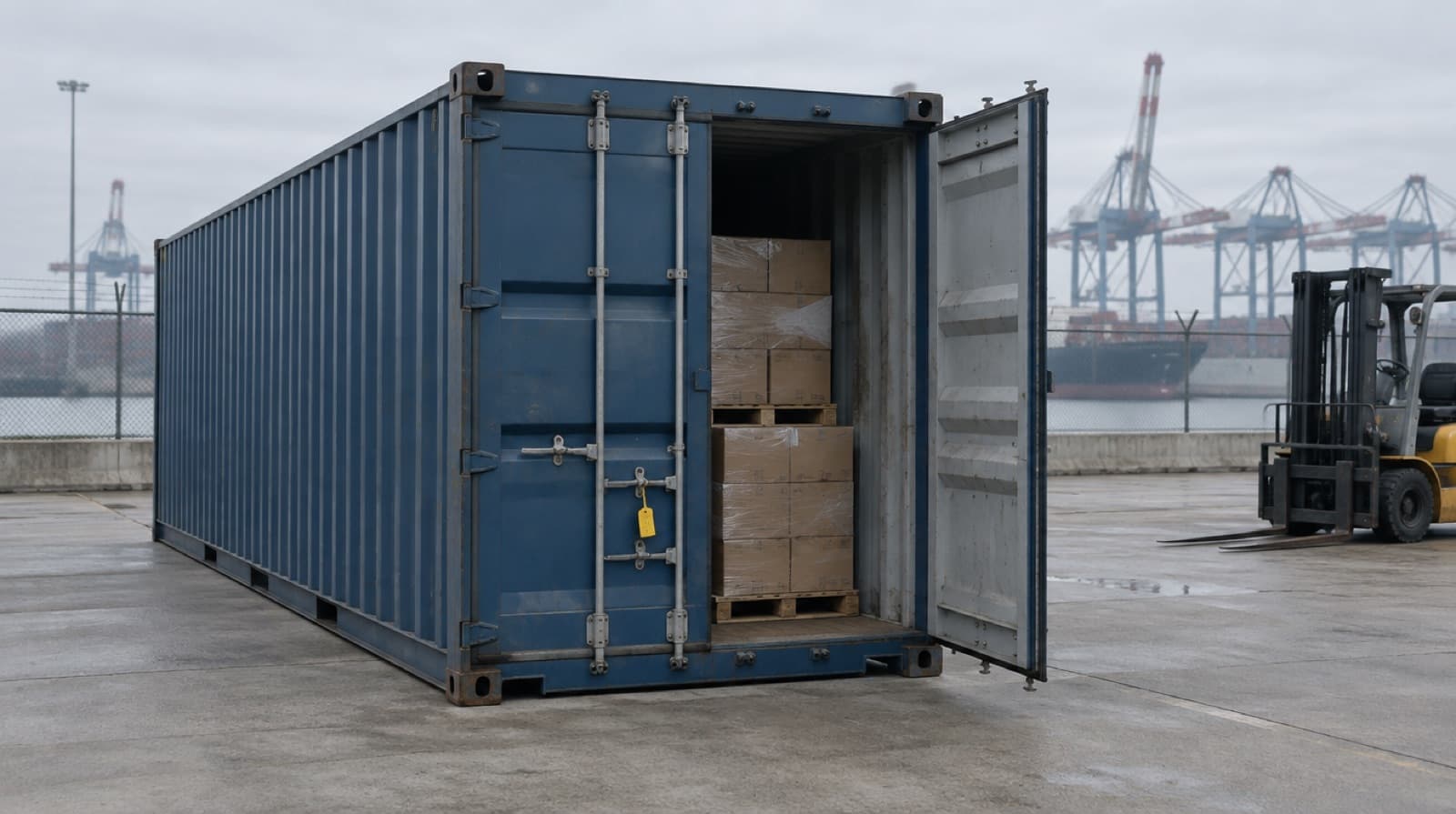
Goods Detained in Customs: The Difference Between Detention and Seizure and What to Do in the First Few Days
Regulation & Tax Updates|10/14/2026
What's Good for the U.S.: What the July 2026 Law Provides and When It Applies to Importers
Regulation & Tax Updates|10/11/2026
Customs Classification of Goods: How the Tariff Item Is Determined and How to Request Advance Classification Information

Case Law & Precedents|01/14/2026
Zero-Rate VAT on Hostess Services for Foreign Companies at Duty-Free: The Hagshama Judgment

The Firm in the Media|01/12/2026