
Article Summary
TheMarker reported in February 2023 that the Supreme Court confirmed that in a workplace with a dedicated dining facility for employees, the facility's costs — such as rent, electricity, and water — cannot be attributed to a meal or an employee benefit. According to the article, this ruling has tax implications worth millions of shekels for Amdocs and other companies.
Get an Initial Legal Consultation
Leave your details and one of our attorneys will get back to you today.
Why This Matters for High-Tech Companies
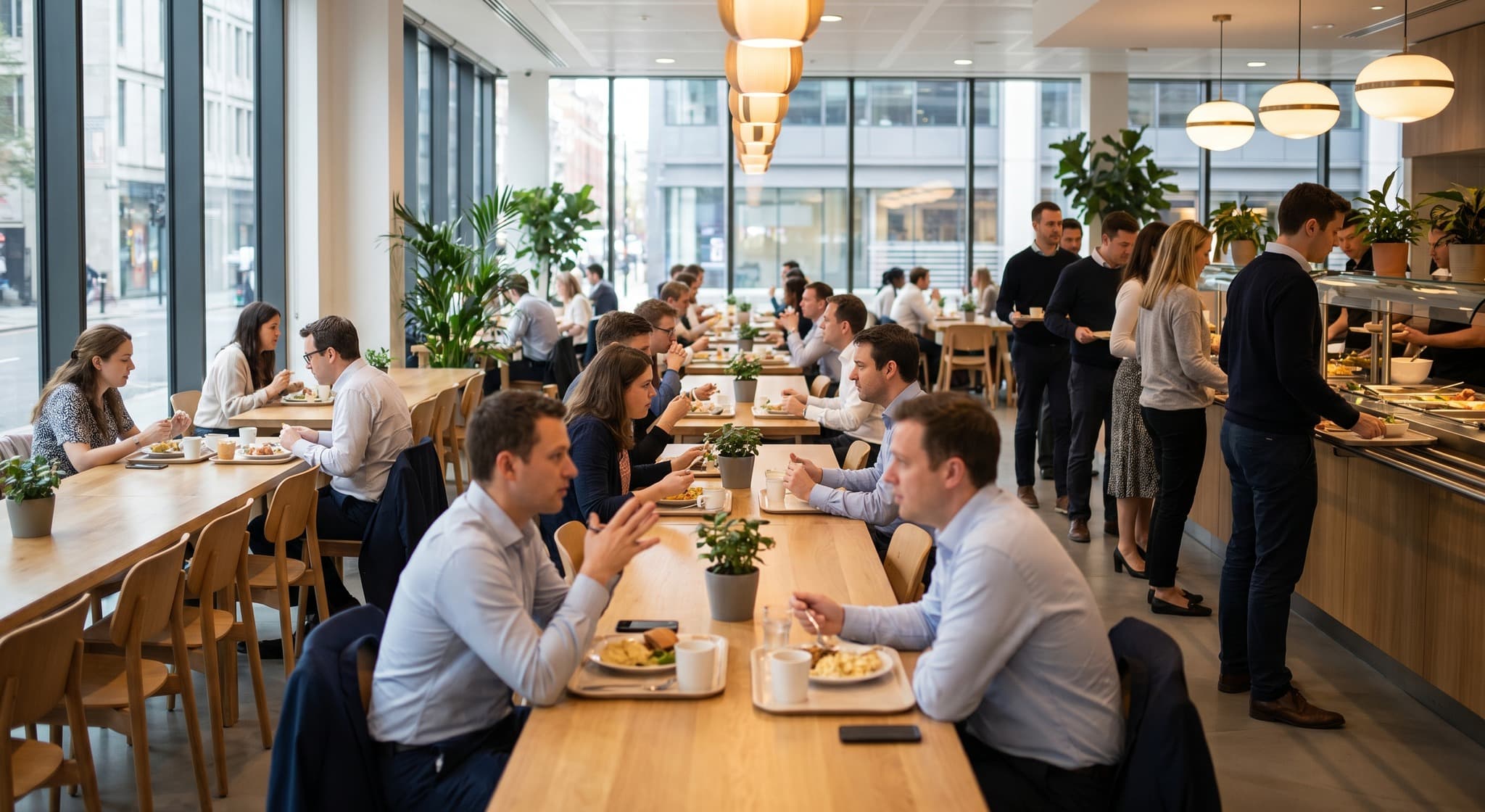
The article opens by describing the high-tech work environment, which often includes lounge areas, fitness rooms, and cafeterias, and in some companies also dining halls and catering services. According to TheMarker, the ruling is welcome financial news for these companies regarding their dining halls. The full article is available to TheMarker subscribers.