

Article Summary
In a Calcalist article from July 2025, Adv. (CPA) Shlomi Vaknin and Adv. Ariel Epstein explain what the District Court ruled in the Neve Gad case regarding the deduction of VAT on the legal fees of the residents' attorney, how the Tax Authority has been acting since then, and what they recommend developers do until the Supreme Court decides the appeal. The authors note that their firm represented Neve Gad in the case and continues to represent it in the appeal.
Get an Initial Legal Consultation
Leave your details and one of our attorneys will get back to you today.
What the Court Ruled in the Neve Gad Case
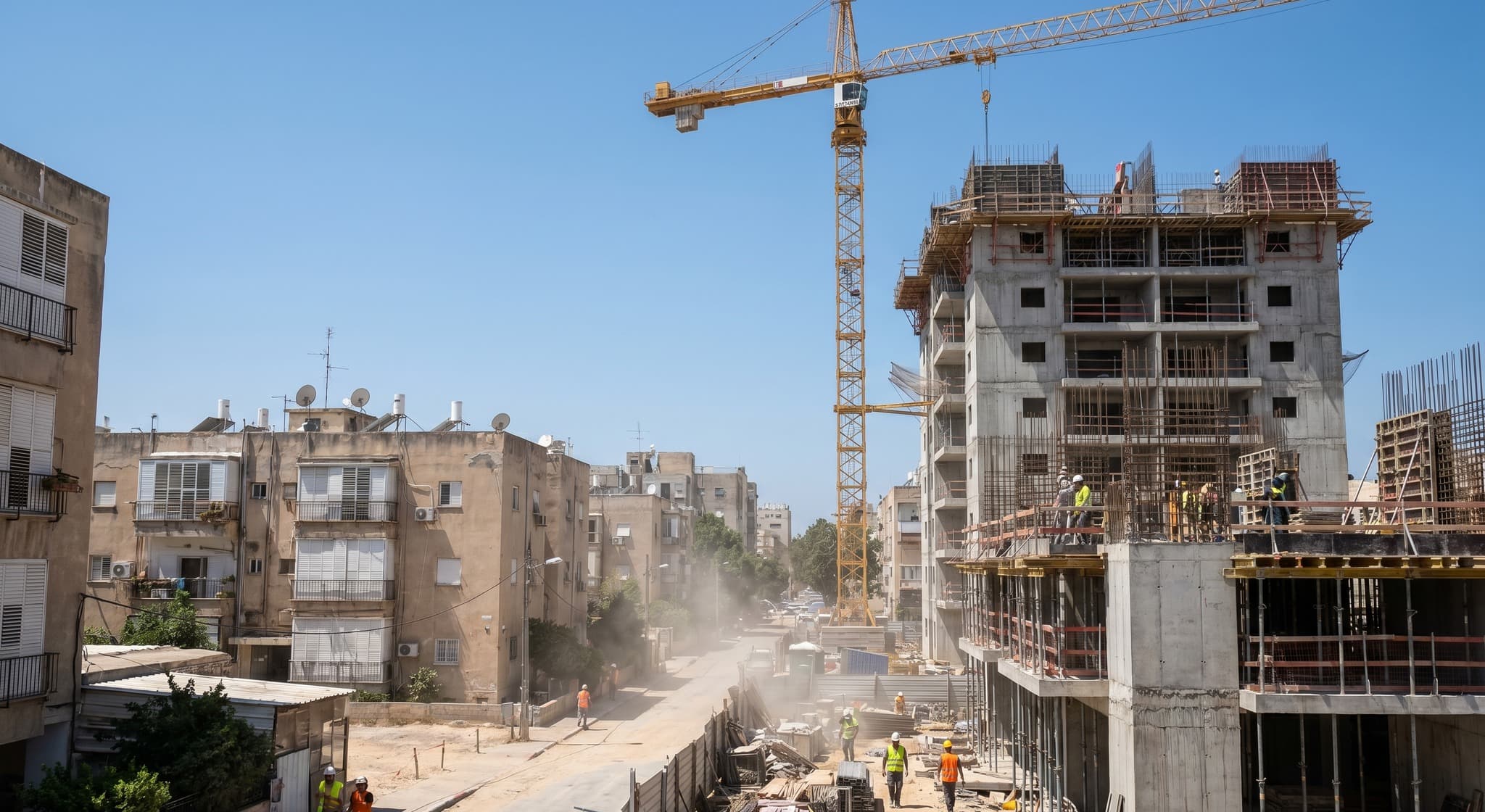
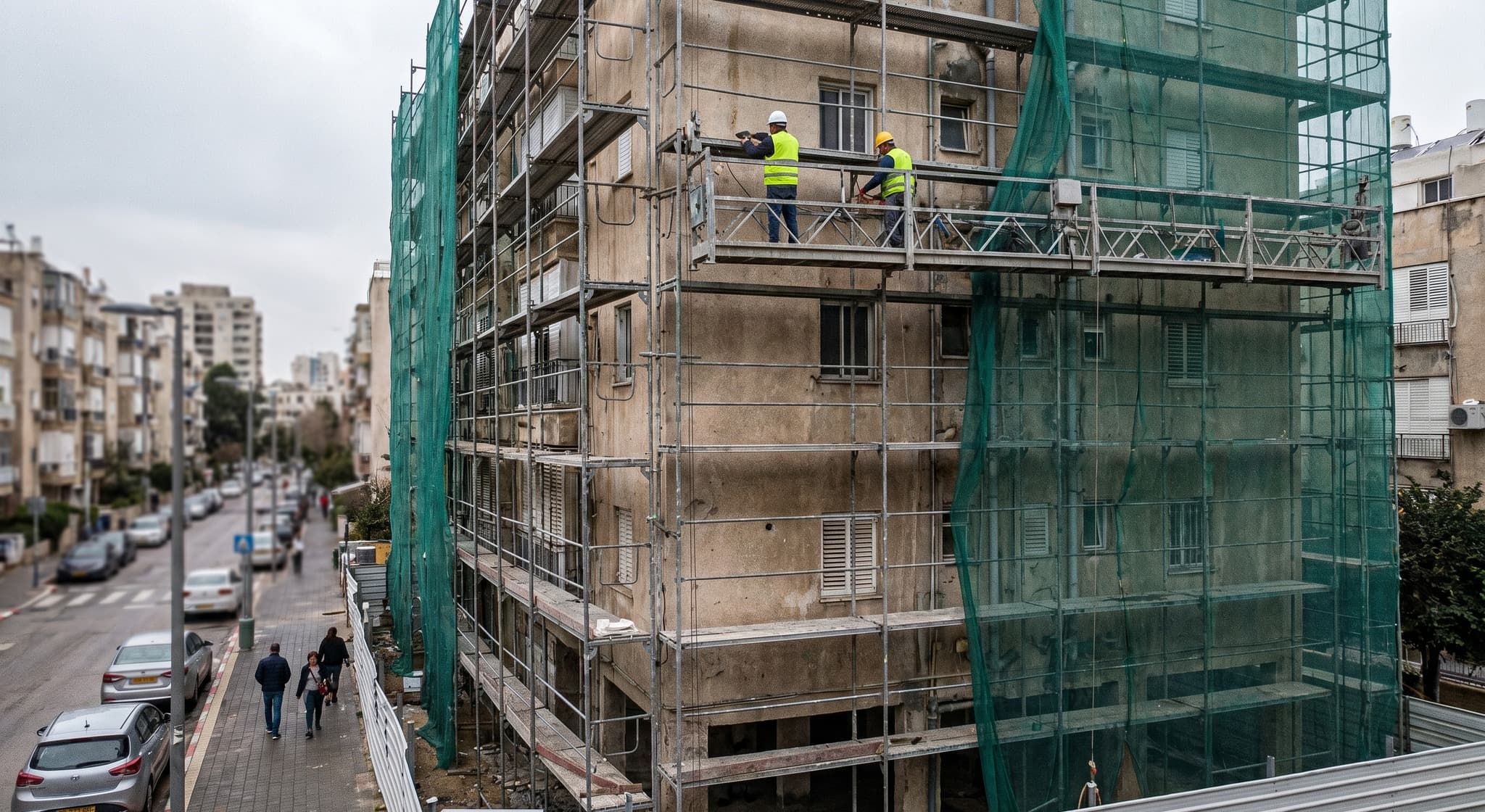
According to the article, in urban renewal projects it is customary for the developer to bear all project costs, including the legal fees of the residents' attorney, architects, construction supervisors, and rent during the construction period. The authors explain that without this arrangement most projects would never materialize, and therefore the invoices were issued in the developer's name and the developer deducted the VAT.
In CA 53560-11-21, which concerned a clearance-and-rebuilding (Pinui-Binui) project in the Kfar Ganim neighborhood of Petah Tikva, the VAT Director argued that the legal services were provided to the residents rather than to the company. Judge Seroussi rejected this argument: according to the judgment, as cited in the article, there is no fundamental distinction between the legal fees of the residents' attorney and the evacuation and temporary housing of the residents in alternative apartments, and all are included in "construction services." The court applied the auxiliary tests from CA 41/96 Cassuto for identifying the recipient of the service (the payer, the contracting parties, the beneficiary, and the circumstances), and held that all of them point to the company.
How the Tax Authority Has Acted Since the Ruling
The VAT Director appealed to the Supreme Court on January 29, 2024, and according to the article, the hearing has been scheduled, after several postponements, for February 26, 2026. The authors describe that in the meantime, VAT offices have been issuing assessments to developers regarding the deduction of the residents' attorneys' fees, and requesting that those who reported such deductions file amended returns.
They argue that a District Court judgment is binding on the Authority as long as it has not been overturned, even when an appeal has been filed against it. They rely on DNA 3993/07 Ikapod and HCJ 653/83 Mivah.
What the Authors Recommend to Developers
Invoices issued in the developer's name after March 2021, where the deadline for deduction under Section 116 of the VAT Law has not yet expired: a developer wishing to avoid a dispute with the Authority may wait to claim the deduction until the Supreme Court rules.
Invoices issued in the developer's name from earlier periods: file a request for an extension of the deduction deadline under Section 116. The authors anticipate the request will be denied, but its purpose is to prevent a statute-of-limitations defense if the Director's appeal is dismissed. They therefore recommend stating in the request that it should be treated as a return in which the deduction was reported.
Invoices issued in the residents' name before March 2021: a two-part request — recognition of the invoice as an "alternative document" under Section 38(a) of the Law, and an extension of the deadline under Section 116. For such invoices issued after March 2021, the authors recommend waiting to file the request until the Supreme Court renders its judgment.