

When Can You Deduct VAT on a Vehicle?
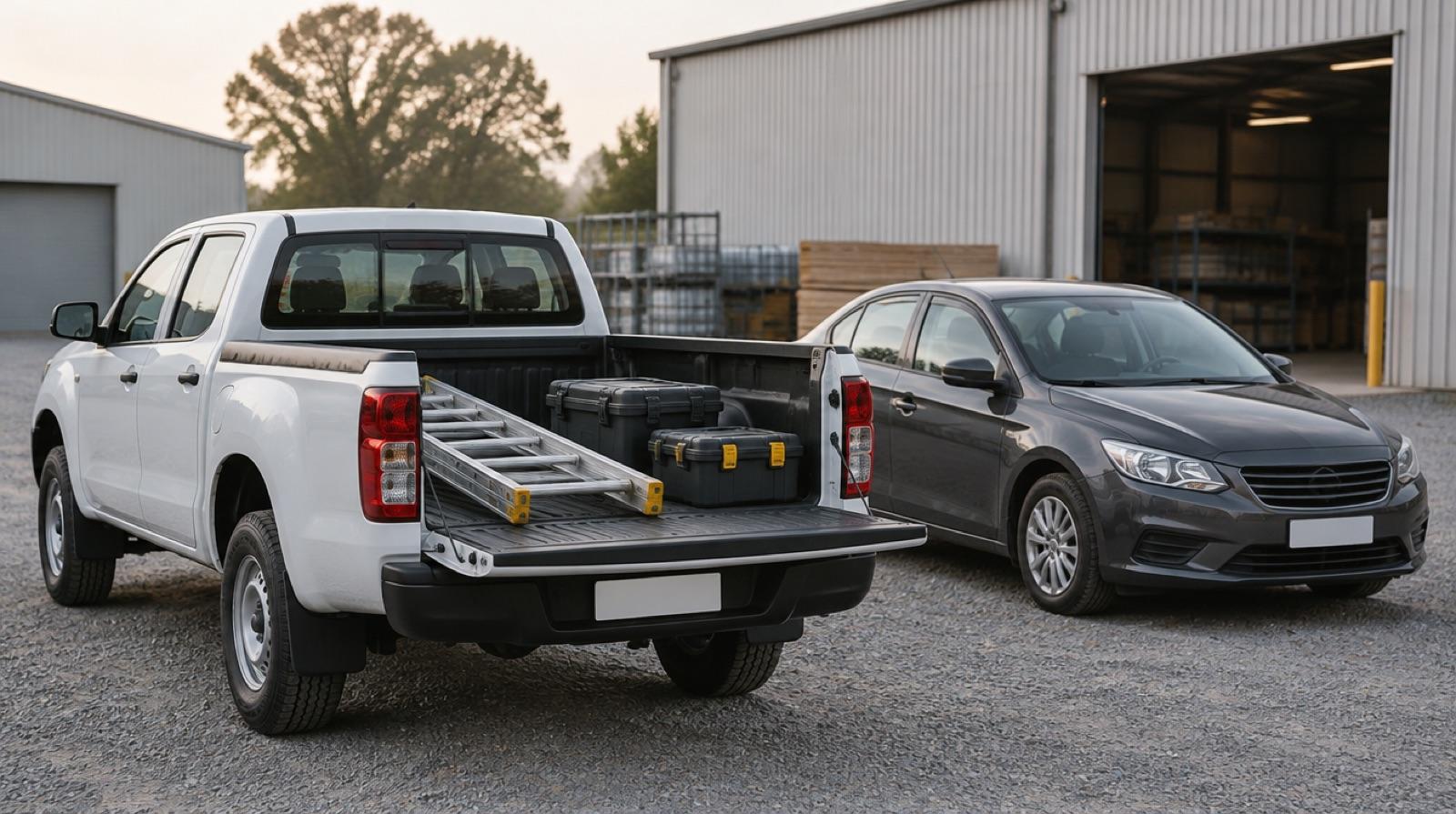
Whether you can deduct VAT on a vehicle depends first and foremost on how it is classified. Under Regulation 14(a) of the Value Added Tax Regulations, input tax may not be deducted on the purchase or import of a "private vehicle," even when the vehicle is used solely for business. The definition also covers pickups and vans with a maximum permissible gross weight of up to 3,500 kg. Input tax on heavier commercial vehicles is deductible, but according to a Tax Authority position paper dated 8.10.2024, the electric Hummer and similar vehicles are treated as private even above that weight. For fuel and repairs on a vehicle in mixed use, the deduction is governed by Regulation 18, usually two-thirds or one-quarter.
Get an Initial Legal Consultation
Leave your details and one of our attorneys will get back to you today.
What the Law Says
The law distinguishes between purchasing the vehicle and the ongoing expenses of running it. For the purchase, there is a blanket prohibition where a "private vehicle" is concerned. For ongoing expenses, a partial deduction applies, based on the extent of business use.
The Prohibition in Regulation 14(a)
Regulation 14(a) provides that the tax imposed on the sale of a private vehicle to a dealer, or on its import by a dealer, shall not be deductible. The Tax Authority's guide to input tax deduction on vehicles clarifies that the prohibition applies even when the vehicle is used, or intended to be used, solely for the business, except for the exceptions set out in Regulation 14(b).
What Counts as a "Private Vehicle"
Under Regulation 1(1)(b), a "private vehicle" is a private passenger car, a dual-purpose private vehicle, an integrated commercial vehicle and a non-integrated commercial vehicle, as defined in the Traffic Regulations. A commercial vehicle is included in the definition only if its maximum permissible gross weight does not exceed 3,500 kg. Also included is any vehicle listed in the Fourth Schedule to the Regulations, or any vehicle essentially similar or identical to it. A jeep permanently employed in field conditions or on the premises of the business or plant is excluded from the definition.
Who May Nevertheless Deduct
Regulation 14(b)(2) permits a deduction in two situations. The first: a dealer whose main business is selling vehicles, for a vehicle that is not in use and is intended solely for sale. The second: any other dealer, where the vehicle is used exclusively for one of the following purposes:
Driving instruction at a driving school.
Vehicle rental, by a person whose business is vehicle rental.
Passenger transport, by a person whose business is passenger transport.
Tours and off-road trips, by a person whose business is organizing tours or trips.
Ongoing Expenses: Regulation 18
Fuel, servicing and repairs are governed by Regulation 18, which deals with inputs used both for the business and for other purposes. Where the use can be attributed, the deduction is based on the ratio of business use to total use. Where it cannot, and the Director has not set a rate, two-thirds of the input tax is deductible if the use is mainly for business, and one-quarter if the use is mainly non-business. For details on input tax deduction across the business generally, see the page on VAT Refunds and Input Tax Deduction.
How It Works in Practice
Classification is determined by the vehicle license and the Traffic Regulations. The way the vehicle is used in the business changes it only under the exceptions in Regulation 14(b) and the jeep exception. That is why the review starts with the documents, before you sign the vehicle order:
Check the vehicle type and the maximum permissible gross weight on the vehicle license. A pickup or van of up to 3,500 kg falls within the definition of a "private vehicle."
Commercial vehicle over 3,500 kg: check whether it is similar to the vehicles in the Fourth Schedule in its structure, number of seats, cargo bed size and features. These are the tests the Tax Authority applied to the Hummer.
If the vehicle is eligible for deduction, deduct the tax within 6 months of the date the invoice or import declaration was issued. From 1.6.2026, an invoice above ₪5,000 before VAT requires an allocation number.
For ongoing expenses, decide in advance whether to deduct based on a proven ratio or at two-thirds, and keep records of business use.
For example: a dealer whose vehicle is used mainly for business receives a fuel invoice for ₪1,000 before VAT. The VAT on the invoice is ₪180 (18%), and the dealer may deduct two-thirds of it, ₪120. Had the use been mainly private, the deduction would be one-quarter, ₪45.
There is also an impact on the sale side. Section 31(4) of the Value Added Tax Law exempts from tax the sale of an asset whose purchase did not entitle the dealer to deduct input tax. A private vehicle purchased without a deduction will usually be sold without VAT.
Expensive Work Vehicles: The Tax Authority's 2024 Position
On 8.10.2024, the Tax Authority published Professional Position Paper 01/2024, which holds that the electric Hummer and similar vehicles are "private vehicles" whether they are licensed as M2 (private passenger) or as N2 (open cargo) and weigh more than 3,500 kg. This means that input tax on their purchase or import is not deductible.
The Authority relied on the "essentially similar" definition relating to the vehicles in the Fourth Schedule. The paper cited five seats, a relatively small cargo bed, comfort features, and the manufacturer's and importer's marketing for private use. It also noted that in August 2024, 57% of the owners of these models were private individuals. The paper preserves the exceptions in the Regulations: a vehicle permanently employed in field conditions or on the business premises, or a vehicle used exclusively for the purposes listed in Regulation 14(b)(2).
The position paper reflects the Authority's interpretation; the Regulations themselves have not been amended. The wording of the regulation sets a weight threshold of 3,500 kg, and the dispute is whether a heavier vehicle can be classified as private because of its character. A dealer who takes a different view can raise it in an objection and an appeal against the assessment.
When You Should Have Your Case Reviewed
There are several situations in which the classification is not self-evident, and a review is worthwhile before deducting or before responding to an assessment:
You bought a pickup or heavy commercial vehicle with luxury-car features and deducted the VAT on the purchase.
The vehicle is used in the field or on the plant premises, and you are relying on the jeep exception.
Your business transports passengers or rents out vehicles, but the vehicle is also used for other trips.
You deduct two-thirds of fuel VAT, but there are no records showing that the use is mainly for business.
You received an assessment disallowing a vehicle deduction. In that case, you are entitled to file an objection to a VAT assessment within the statutory deadlines.
These matters are handled at the firm by Adv. and CPA Shlomi Vaknin, who served for about a decade as a national supervisor in the VAT Professional Department of the Israel Tax Authority.