
What Changed in CBAM for Israeli Exporters in November 2026?
CBAM, the European Union's Carbon Border Adjustment Mechanism, requires EU importers, as of 1.1.2026, to purchase certificates based on the embedded emissions in the steel, aluminum, fertilizers, cement, electricity and hydrogen they import. On 16.11.2026, Implementing Regulation 2026/2498 was published, recognizing the Israeli carbon tax as a fuel-based tax. The EU importer will be able to reduce the number of certificates by the carbon tax paid by the producer in Israel, provided it presents evidence of payment. Certificates for 2026 imports must be surrendered by 30.9.2027.
Get an Initial Legal Consultation
Leave your details and one of our attorneys will get back to you today.
Key Facts
Source of the obligation: Regulation (EU) 2023/956, as amended by Regulation (EU) 2025/2083 of 8.10.2025.
Start of the definitive period: 1.1.2026.
Who is liable: an EU importer, or its indirect customs representative, that imports more than 50 tonnes net mass of goods in the iron and steel, aluminum, fertilizer and cement sectors in a calendar year. No such threshold applies to electricity and hydrogen.
Certificate price in 2026: the quarterly average of auction prices in the EU Emissions Trading System (EU ETS). €75.36 per tonne of CO2 in the first quarter, €75.28 in the second and €82.32 in the third.
Sale of certificates: from 1.2.2027, on a central common platform.
Annual declaration and surrender of certificates: by 30.9 of the year following the year of import.
Deduction of carbon tax paid in Israel: Implementing Regulation (EU) 2026/2498, which applies retroactively from 1.1.2026. See also the announcement by the Ministry of Finance and the Ministry of Economy and Industry of 19.11.2026.
What Changed and When
What changed in November 2026 is the ability to offset the Israeli carbon tax against CBAM liability. Annex II to the Implementing Regulation lists the carbon pricing mechanisms that the European Commission has already determined meet the definition, and Israel appears on it with a fuel-based carbon tax. According to the announcement by the Ministry of Finance and the Ministry of Economy, the recognition applies to the excise tax on fuels.
17.10.2025: Regulation 2025/2083 was published, introducing the 50-tonne threshold and the current timetable.
1.1.2026: The definitive period began.
16.11.2026: Implementing Regulation 2026/2498 was published on the deduction of the carbon price paid outside the EU.
4.1.2027: The certificate price for the fourth quarter of 2026 is published. From 2027, the Commission publishes a weekly price.
1.2.2027: Sale of certificates opens.
30.9.2027: First CBAM declaration and surrender of certificates for 2026 imports.
What Can Be Deducted and What Evidence Is Required
The deduction is limited to the tax actually paid by the producer, net of refunds. For a fuel-based tax, the regulation requires evidence of the tax paid on the quantity of fuel (from fuel suppliers or tax authorities), evidence of the quantity of fuel consumed, and consistency between the emission factors used in the calculation and those set out in the regulation. Tax refunds or industry support are deducted from the amount, and the correspondence with the authority that approved them must be presented.
The evidence must be certified by an independent person. In 2026 and 2027, an accredited CBAM verifier may certify it without additional accreditation; from 2028, specific accreditation from a national accreditation body in the EU will be required. The alternative is a "default carbon price" for each country, which the Commission will publish in the CBAM Registry.
What Is Still in the Legislative Process
On 17.12.2025, the Commission proposed extending CBAM to certain downstream products and adding anti-circumvention measures. The Council adopted its position on 12.6.2026, and the proposal is still under discussion among the EU institutions.
Who Is Covered and Who Is Not
The legal obligation rests with the EU importer. An Israeli exporter does not file a CBAM declaration or purchase certificates, yet it is the one holding the data: how much carbon was emitted in production, at which installation, and how much carbon tax was paid. When actual data is missing, the importer calculates based on default values set by the Commission, usually with a mark-up, and then needs more certificates.
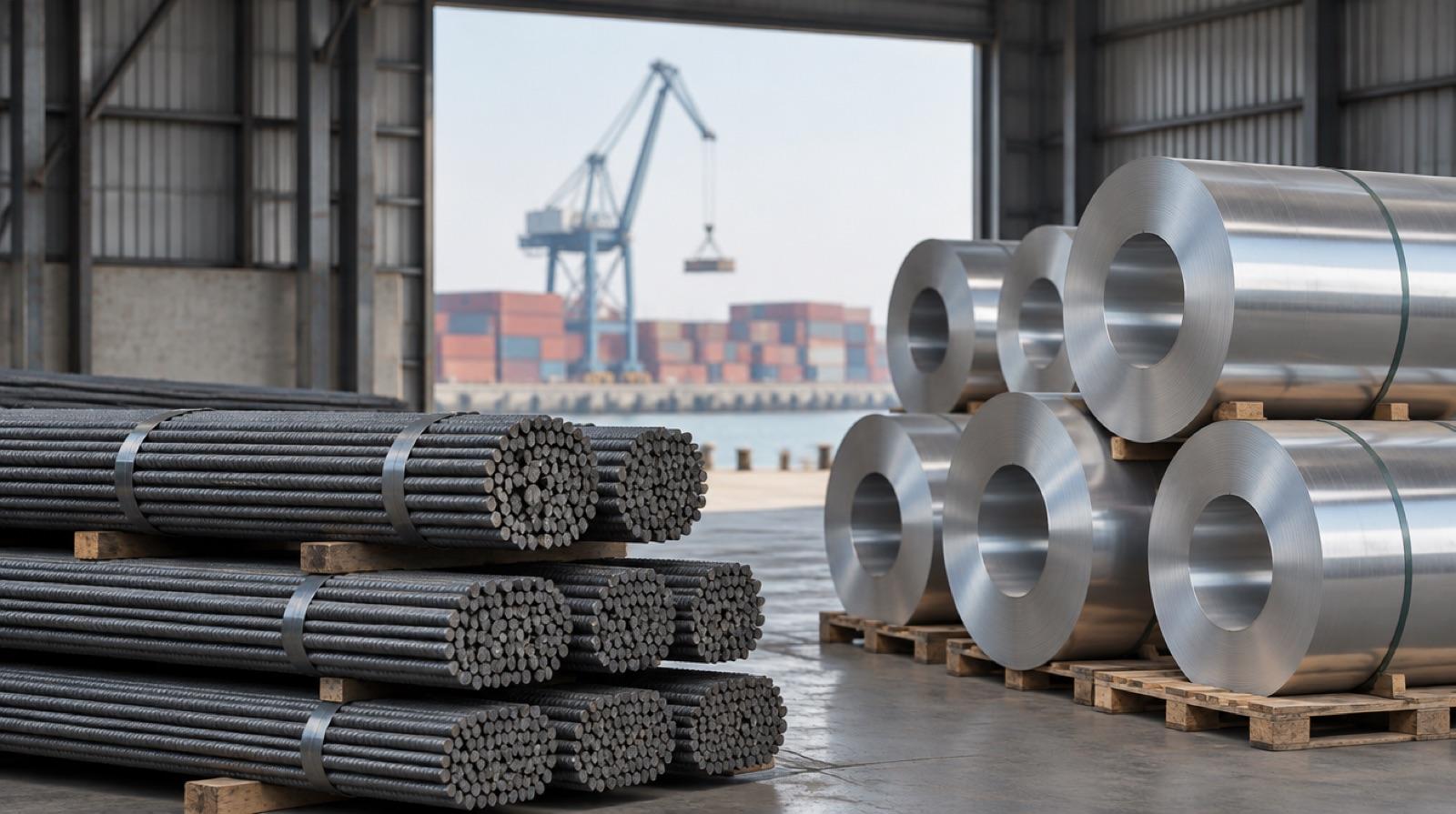
According to the government announcement, the Israeli exporters most affected by the mechanism are in the fertilizer, aluminum and steel sectors. Coverage is determined by the customs code of the goods in the list in Annex I to Regulation 2023/956, not by the sector in which the company is registered.
CBAM is not a customs duty and does not depend on rules of origin. A reduced customs duty under the Israel–EU trade agreement, based on an EUR.1 certificate or an invoice declaration, does not exempt goods from CBAM. On the difference between the two and on certificates of origin, see Rules of Origin and Trade Agreements.
CBAM does not apply to goods outside the six sectors, nor to an importer whose total imports in the iron and steel, aluminum, fertilizer and cement sectors did not exceed 50 tonnes in that year.
What to Check Now
Check the customs codes (CN) of the products you sell to the EU against Annex I to Regulation 2023/956.
Confirm with each EU customer whether it is an authorized CBAM declarant, whether it exceeds the 50-tonne threshold, and what data it requires from you on 2026 imports.
Prepare installation-level emissions data for 2026 and engage an accredited verifier. The first verification reports must reach the customer before 30.9.2027.
Gather evidence of the carbon tax paid: fuel invoices showing the excise component, consumption quantities, and any refund or support you received for that fuel.
Check the sales agreement to determine who bears the cost of the certificates, and what happens if the customer switches to default values.
This practice area is handled at the firm by Adv. Udi Asa, who served from 2011 to 2022 in the Legal Department of the Customs and VAT Division at the Israel Tax Authority headquarters.