

For a refund on goods returned to the supplier, the export period is 6 months from the date of release. Send us your import and export declarations, and we will check whether you are entitled to a drawback and under which track. Phone: 03-7705682.
What Is a Customs Drawback and Who Is Entitled to It?
A customs drawback is a refund of customs duties and purchase tax paid upon import, or a deferral of their payment, when the goods or products manufactured from them are exported from Israel. According to the Israel Tax Authority, drawback on manufacturing is granted to the exporter listed in the export declaration, against declarations of absolute export. For goods returned to the supplier unused, Section 156 of the Customs Ordinance requires that they be exported within 6 months of their release.
Send us your import and export declarations from the past year, and we will determine which track is right for you.
Get an Initial Legal Consultation
Leave your details and one of our attorneys will get back to you today.
When Should You Check Your Eligibility for a Drawback?
When import taxes were paid on goods that are ultimately exported from Israel, on their own or as part of a product:
You import raw materials or components, manufacture products from them in Israel, and export the finished product.
You purchase imported components or locally manufactured components in Israel and incorporate them into export products.
A shipment arrived defective or non-conforming to the order, and you are returning it to the overseas supplier.
You bring in equipment for repair, processing, or exhibition, and intend to re-export it.
Your drawback claim was denied, or Customs issued an assessment notice following an audit of the drawback file.
You want to switch from a post-payment refund to tax deferral at the time of import.
What Does the Law Say About Drawback and Customs Refunds?
The Customs Ordinance establishes several refund tracks, each with its own conditions and required documents.
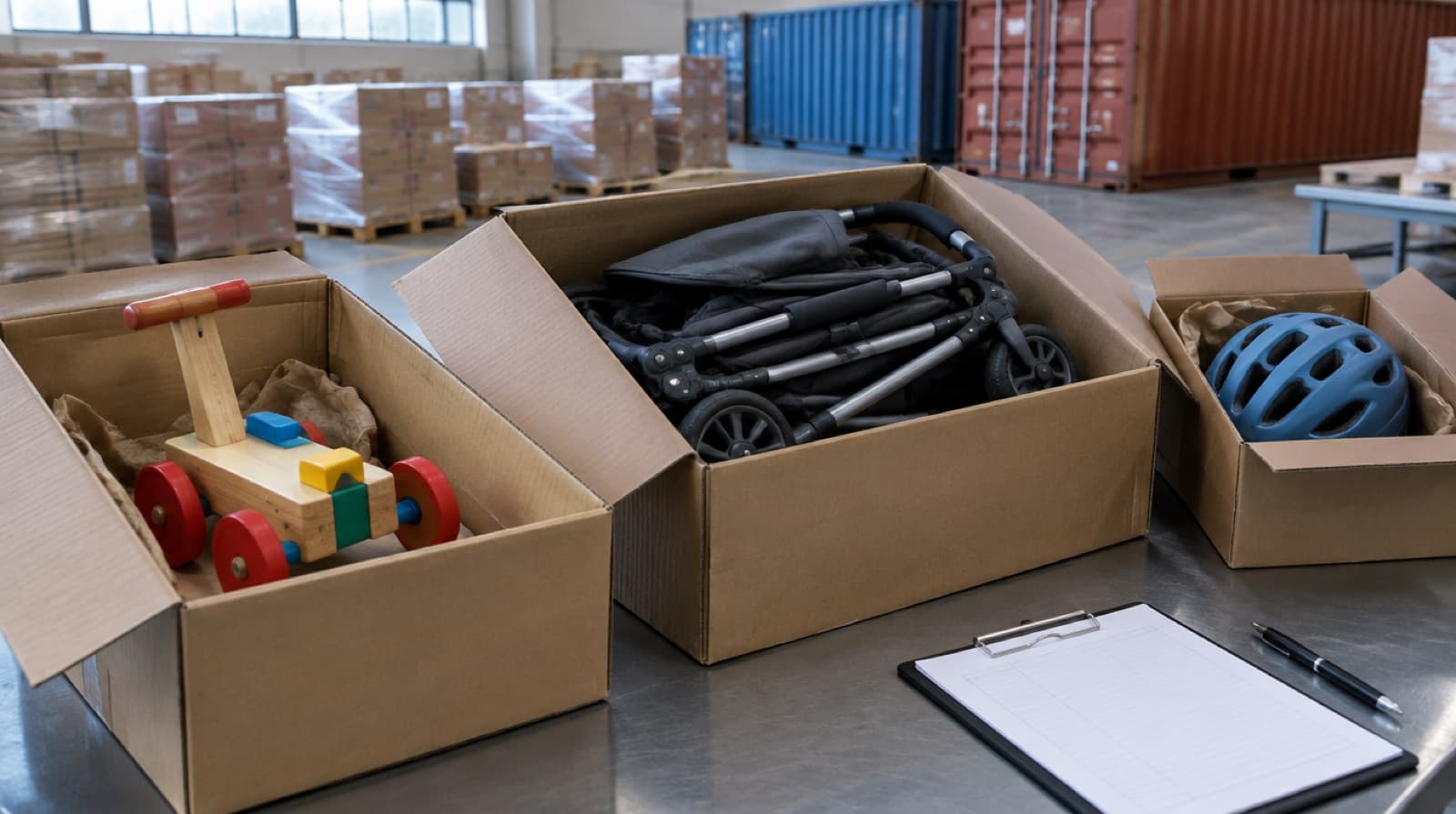
Goods returned without processing
Section 156 permits a full customs drawback on goods that are not in bulk and are exported within 6 months of their release, provided they were not used in Israel or the use only revealed the defect. Customs procedures from April 2026 add further details: the TFG (Foreign Trade Processing) officer at the customs house may extend the export period to up to one year, and the Senior Enforcement Division Manager at the Customs Administration may extend it to up to 3 years. The refund also includes purchase tax, but computer fees and security fees are not refunded.
Section 150(2) allows a refund or waiver of customs duties when, within 6 months of release, a defect or non-conformity with the terms of sale is discovered in the goods, provided the claim is filed immediately after discovery. According to the procedure, when goods are destroyed in Israel because they have been declared unfit for use, the destruction is carried out under the supervision of the authority that made that determination.
Drawback on raw materials for export products
Section 160 authorizes the Minister of Finance to prescribe by order a drawback on goods used for manufacturing in Israel. The orders under which the drawback operates are the Customs (Drawback on Goods Used for Manufacturing Products for Export) Order, 5729-1968, and the Customs (Drawback on Goods Used for Manufacturing Products Whose Import Is Exempt from Customs) Order, 5733-1972. The bookkeeping requirements are set out in the Customs (Drawback on Export) Regulations, 5727-1966.
The Israel Tax Authority administers the drawback through two tracks. Under the tax-percentage method, duties are paid upon import and refunded after export. Under the deferred-tax method, payment of tax on raw materials is deferred at the time of import. According to the Tax Authority, the refund is also subject to the trade agreements to which Israel is a signatory.
For drawback on raw materials used to manufacture export products, customs procedures require an annual claim to be filed by March 31 for the previous year's exports. A drawback may be claimed on components imported up to 5 years before the date the claim is filed, and on locally manufactured components up to 3 years before. Section 161 of the Customs Ordinance restricts payment of drawback claims without the Director's approval, and therefore filing deadlines should be verified before the export takes place.
Temporary admission without customs duties
Section 162(c) allows the Director to permit temporary admission without payment of customs duties for goods brought in for processing, repair, refurbishment, public display, or packing of export goods, which are subsequently exported from Israel. The Tax Authority offers a service for applying for conditional exemption import, to open a temporary or permanent import file.
Anyone who obtains a drawback to which they are not legally entitled commits an offense under Section 212(a)(2) of the Ordinance, and therefore documentation must link the import to the export.
How Do You File a Drawback Claim?
The process begins with an eligibility assessment, followed only then by filing:
You send us the import and export declarations from the past 12 months, a list of raw materials, and a brief description of the manufacturing process.
Choose a track: Section 156 or Section 150(2) for a defective shipment, drawback under the orders for an exporting manufacturer, or temporary admission under Section 162 when the export is known in advance.
Open or update a drawback file at the Drawback Unit, at the Haifa Customs House or the Central Customs House depending on the region, and set up the books required by the Drawback Regulations.
File the claim through Shaar Olami (the Customs online portal), with the documents linking the import to the export. According to customs procedures, processing of the claim should be completed within one month of receipt of all documents. When a dispute concerns only part of the amount, the undisputed portion is refunded.
If the claim was denied, or an assessment notice was issued following an audit, appeal at the customs house within 30 days.
Who Handles Drawback Claims?
Drawback claims are handled by Adv. Udi Asa, who heads the Customs, Import and Export practice at the firm. In the Legal Department of the Customs and VAT Division at the Israel Tax Authority, from 2011 to 2022, he served as a legal referent for customs houses.
Questions & Answers
We returned a defective shipment to the supplier. How do we get the customs duties back?
The goods must be exported from Israel within 6 months of their release, without any use beyond that which revealed the defect (Section 156 of the Customs Ordinance). At the time of export, request a physical inspection so that Customs can verify these are the same goods. The claim is filed at the customs house where the import declaration was released, together with the supporting documents, a power of attorney, and Customs Form 91.
Are purchase tax and import VAT also refunded?
Purchase tax — yes, the drawback applies to both customs duties and purchase tax. VAT paid by an authorized dealer upon import is deducted as input tax in the VAT return and is therefore generally not part of the refund. According to customs procedures, import VAT is refunded through Customs only to a private individual, to a non-profit organization that is not entitled to deduct input tax, or upon cancellation of a declaration that was not deducted in the VAT return.
We purchased imported raw material from a local supplier. Are we still entitled to a drawback?
Yes, if it was used to manufacture export products. According to the Israel Tax Authority, the drawback also applies to exporters who purchase imported components or locally manufactured components in Israel. The entitlement belongs to the exporter listed in the export declaration, so documentation showing the tax paid on the components along the supply chain is required.
What Is the Difference Between a Drawback and a Conditional Exemption?
With a drawback, you pay the duties upon import, or defer them, and receive them back after the export. With a conditional exemption, the goods enter without upfront payment of customs duties, subject to conditions set by Customs — for example, temporary import for processing, repair, or exhibition and subsequent re-export (Section 162 of the Customs Ordinance). When it is known in advance that the goods will be exported, a conditional exemption saves the cost of financing the tax during the interim period.
Customs issued an assessment notice after auditing our drawback file. What can we do?
Appeal at the customs house through Shaar Olami within 30 days of the assessment notice. According to customs procedures, if the appeal is denied, an additional 30 days are granted to apply to the court. After 55 days, a bank guarantee must be deposited or the disputed amount paid in order to stay collection.
We brought a machine to an exhibition in Israel. Do we have to pay customs duties on it?
Not necessarily. The Director may permit temporary admission without customs duties for goods brought in for public display that will subsequently be exported from Israel, subject to conditions he prescribes (Section 162(c) of the Customs Ordinance). Another option is an ATA Carnet under the international convention to which Israel is a signatory. The appropriate track should be chosen before the machine arrives.
Get an Initial Legal Consultation
Leave your details and one of our attorneys will get back to you today.
Last updated:
Insights & Updates: Customs Lawyer
Regulation & Tax Updates|10/14/2026
What's Good for the U.S.: What the July 2026 Law Provides and When It Applies to Importers
Regulation & Tax Updates|10/11/2026
Customs Classification of Goods: How the Tariff Item Is Determined and How to Request Advance Classification Information

Case Law & Precedents|01/14/2026
Zero-Rate VAT on Hostess Services for Foreign Companies at Duty-Free: The Hagshama Judgment

The Firm in the Media|01/12/2026